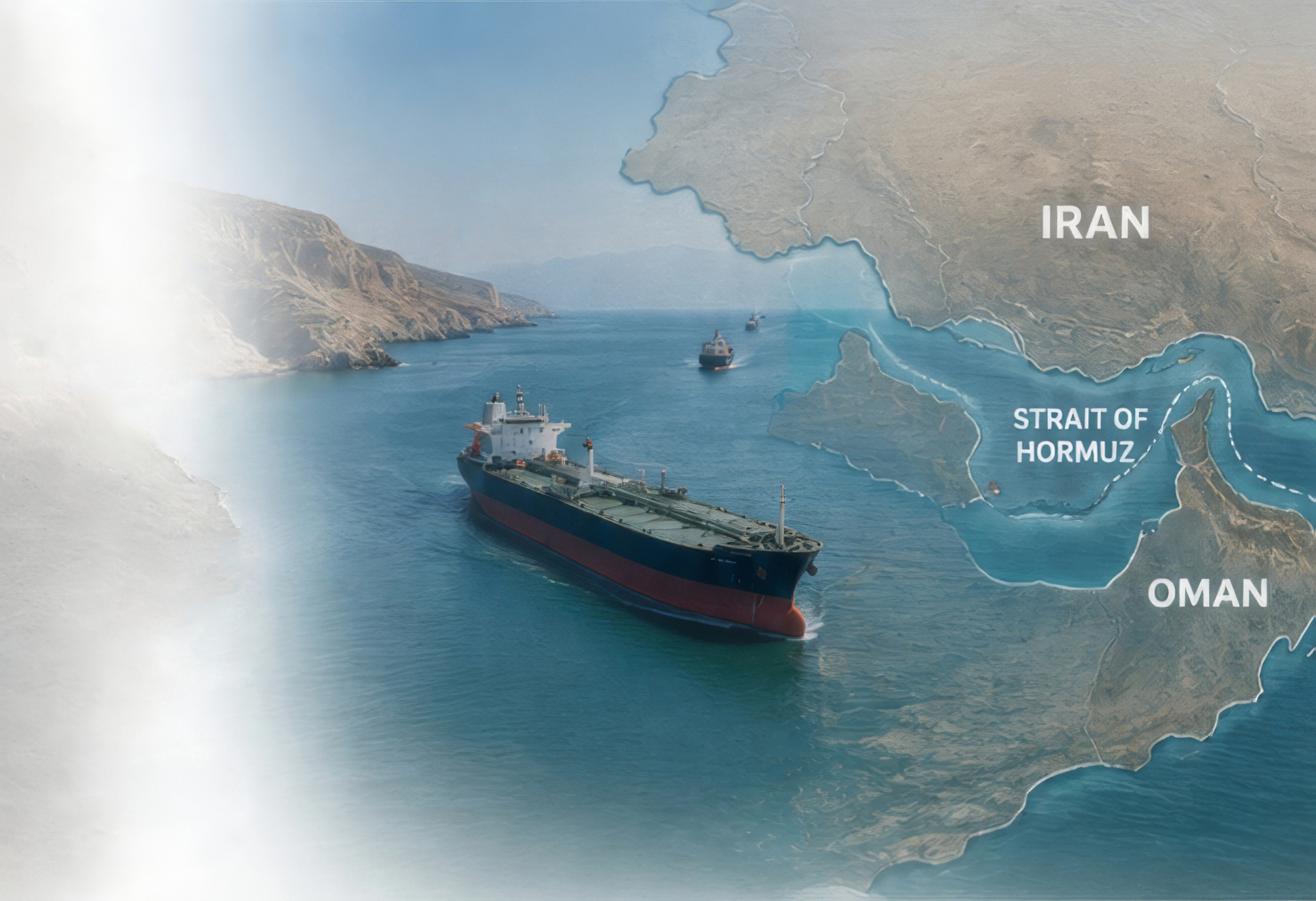
TL;DR: The US-Iran peace deal announced on June 14 promises to reopen the Strait of Hormuz and end the nearly four-month war. Markets are celebrating. But for shippers, the operational gap between apolitical announcement and actual freight normalization is measured in months, not days. Mine clearance alone is a six-month operation, war risk insurance remains at crisis-era levels, and every major carrier has stayed silent on resumption. The smart move is not to pivot — it's to hold your current routing posture while tracking the three indicators that actually signal when it's safe tore-engage.
On June 14, 2026, Pakistani Prime Minister Shehbaz Sharif announced that the United States and Iran had reached a peace agreement to permanently end military operations — including in Lebanon. Hours later, President Trump confirmed the deal, declaring the immediate removal of the US naval blockade and "toll-free" passage through the Strait of Hormuz. An official signing ceremony is set for June 19 in Switzerland, with 60-day nuclear negotiations to follow.
Markets reacted fast. Brent crude fell over 4% to below $84 a barrel. Japan's Nikkei surged 5%, South Korea's KOSPI jumped 5.7%,and Taiwan's TAIEX gained 2.7%. S&P 500 futures climbed 1%. The euphoria makes sense from an investor standpoint. The question for anyone managing actual freight is different: when does this translate into operational reality?
The short answer is not soon.
This is a distinction that matters. Since the US-Israeli strikes on Iran began on February 28, the Strait of Hormuz has been physically accessible but commercially non-functional. Crude oil vessel transits fell 95%. LNG shipments dropped 99%. Maersk, MSC, CMACGM, and Hapag-Lloyd all suspended Hormuz transits within 48 hours of the war's outbreak and have not reversed that decision.
The reason is structural, not political. War risk insurance premiums surged to levels that made Hormuz routing economically unviable. Even during the April ceasefire extension, when the Strait was technically "open," none of the world's top shipping operators were willing to book cargo through it. Approximately 2,000vessels remain stranded in the Persian Gulf. Roughly 500,000containers are stuck.
A peace deal changes the political context. It does not automatically reset the insurance market, clear the mines, or rebuild the trust that carriers need before they'll put vessels and crews back into the waterway.
The US military has publicly estimated that clearing mines from the Strait — mines it believes were laid by Iran during the conflict — will take approximately six months. That's not a soft target. Mine clearance in contested waters is methodical, high-risk work. Until that operation is substantially complete and independently verified, most carriers and their P&I clubs won't approve Hormuz routing.
War risk premiums for the Persian Gulf region spiked to his toriclevels after February 28. Those premiums don't drop because a deal was announced on a Sunday. They drop when underwriters observe sustained, verified calm — weeks of uneventful transits, falling incident reports, and clear military withdrawal. The insurance timeline typically lags the political timeline by four to eight weeks under the best circumstances. Given the severity and duration of this conflict, the lag could be longer.
As of June 15, none of the four major global carriers have announced plans to resume Hormuz transits. No schedule updates. No booking reopenings. No advisory changes. In shipping, that silence is informative. Carriers watch the same indicators shippers should —mine clearance progress, insurance rate curves, and on-the-ground security assessments — and they won't commit vessels until those signals turn green.
Over the past three and a half months, the Cape of Good Hope routing has gone from emergency workaround to structural default for Asia-Europe commodity and container flows. That rerouting adds 7 to10 days of transit time versus the Hormuz route, and those additional days are now embedded in carrier schedules, port rotation plans, and booking lead times across the industry.
Even when Hormuz eventually normalizes, the reversion won't happen overnight. Carriers need to redeploy vessels, adjust port calls, and rebuild the scheduling architecture that supports Hormuz routing at scale. That's a planning exercise measured in weeks after the operational conditions allow it.
For shippers, the practical implication is clear: do not rebook or reroute based on the political headline. The Cape routing that's been working for you since March is still your safest bet through at leastQ3 2026.
Brent crude's drop below $84 is meaningful. At its peak during the conflict, oil was trading above $100 a barrel. The deal announcement takes the geopolitical risk premium off the table — or at least reduces it sharply. That's welcome.
But crude at $84 is still significantly above the $68–72 range where it sat before the war began in late February. Bunker fuel costs, which feed directly into freight surcharges, will adjust downward — but those adjustments typically lag by two to four weeks. If your contracts have bunker adjustment factor (BAF) clauses, check the reset dates. The savings are real, but they won't show upon your next invoice.
The bigger picture: if Hormuz normalizes over the coming months, the return of Gulf-origin crude and LNG to seaborne markets could push oil prices lower still. That would ease bunker costs further and reduce surcharges for shippers across all trade lanes, not just Middle East corridors. But that scenario depends entirely on the deal holding, mine clearance proceeding on schedule, and carriers actually resuming transits.
Here's a risk that almost nobody is discussing yet. Roughly 500,000 containers are stranded in the Persian Gulf. When the Strait reopens operationally — not politically, but actually — those containers will re-enter circulation. They'll arrive at ports that have spent three months adjusting their equipment planning to a world without Gulf flows.
That means short-term equipment surpluses at some ports and potential congestion at others, depending on where the stranded containers were originally headed. For shippers with cargo in the Gulf backlog, this creates both an opportunity (your goods finally move) and a logistics challenge (everyone else's goods are trying to move at the same time).
If you have containers in the stranded backlog, now is the time to confirm your booking priorities with your carrier. When the gates open, there will be a queue, and the shippers who've communicated their priorities clearly will move first.
Several factors could still derail the agreement before or afterthe June 19 signing:
Israel has not explicitly committed to halting its military operations in southern Lebanon against Hezbollah. Iran has made a Lebanon ceasefire a core condition of the deal. If Israeli strikes continue, Tehran could walk away.
Sanctions relief requires US Congressional approval, and early indications suggest significant domestic opposition. The deal may be politically popular in markets, but it's far from settled in Washington.
Both sides reportedly interpret some terms of the agreement differently. Details have not been made public, and the 60-daynuclear negotiation window introduces additional uncertainty. A collapse in those talks could unwind the entire framework.
First, do not change your current routing or carrier arrangements based on the announcement alone. The operational indicators that matter — carrier resumption notices, insurance rate movements, mine clearance progress reports — haven't shifted yet.
Second, review your bunker surcharge clauses. BAF resets tied to crude price indices will start moving in your favor within weeks. Know your reset dates and ensure you're positioned to capture the savings.
Third, if you have cargo in the Gulf backlog, contact your carrier now to establish priority and booking preferences. The release of stranded containers will create a burst of demand on Gulf-exit routes, and early coordination matters.
Fourth, watch the G7 statement from Evian (June 15). The language around Hormuz reopening conditions and security guarantees will signal how quickly international institutions expect normalization to proceed.
Finally, keep your Cape of Good Hope routing in place as your baseline through Q3. That's not pessimism. It's the operational reality.
Sources: Al Jazeera, Bloomberg, CNBC, CBS News,RFE/RL, Gulf News, UK Parliament Research Briefing CBP-10636 | June15, 2026