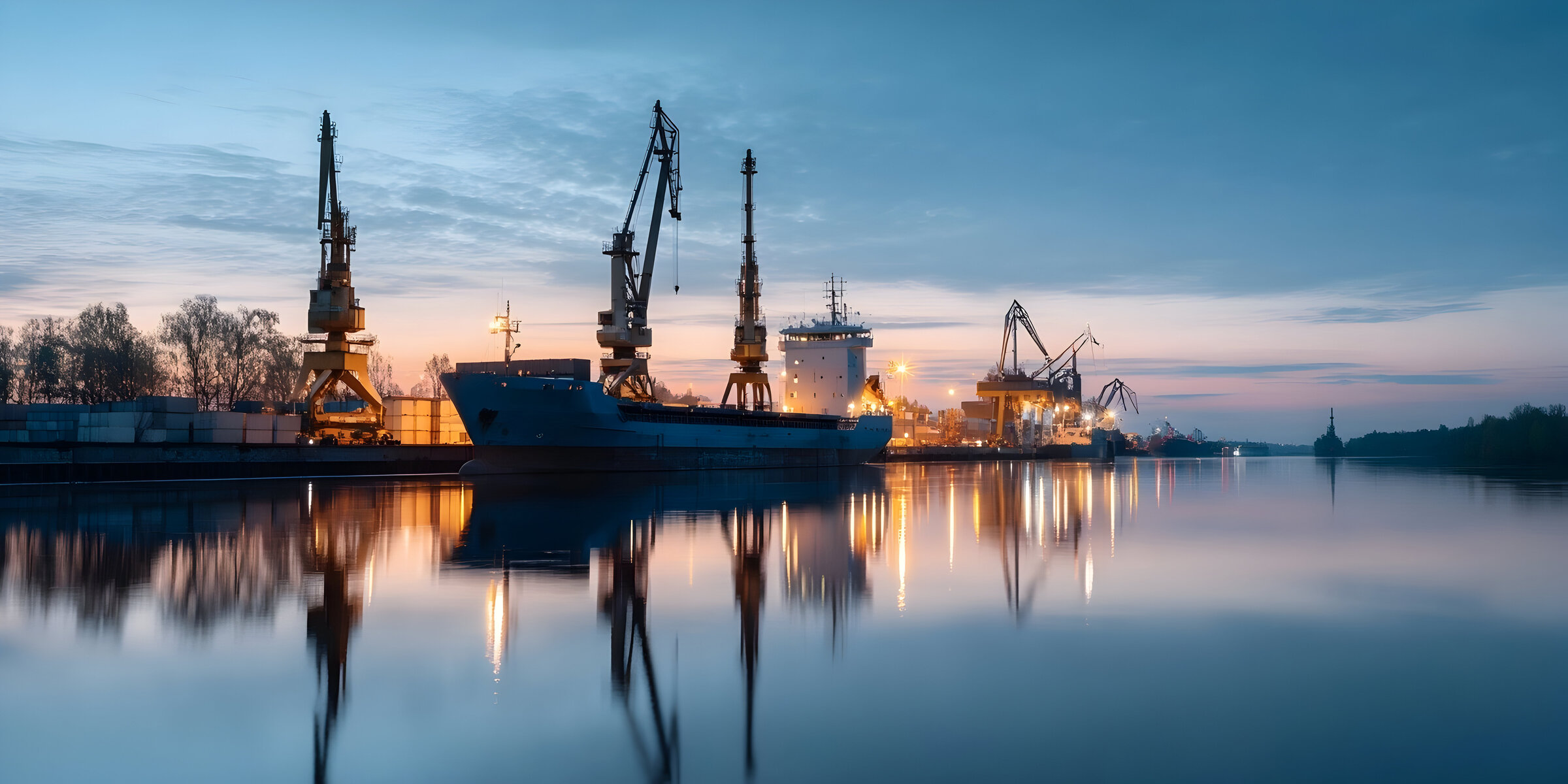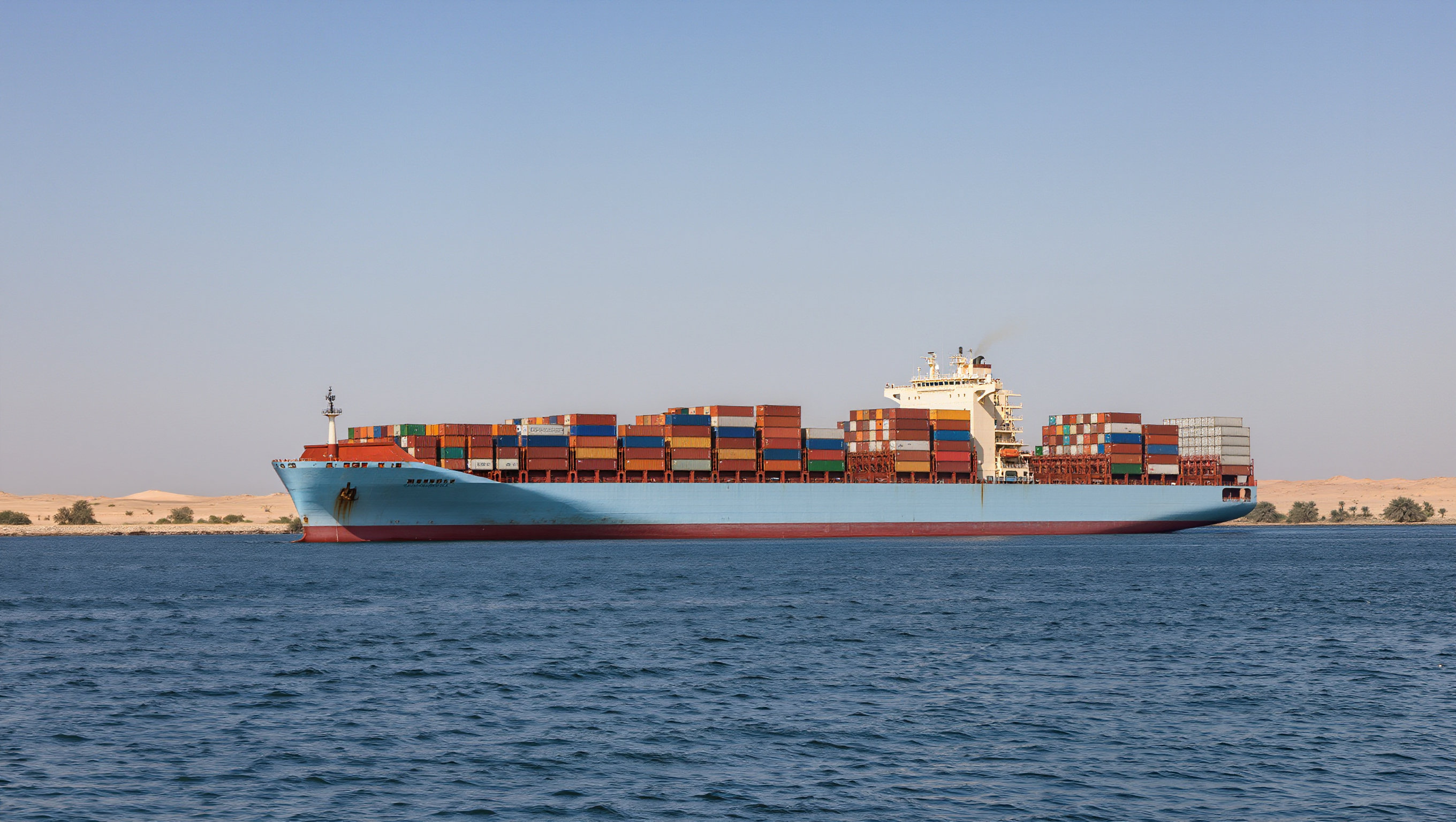
Egypt has opened its first semi-automated container terminal at Sokhna Port near the southern entrance of the Suez Canal. The move strengthens Red Sea infrastructure just as container traffic cautiously returns following prolonged security disruptions, signaling a long-term bet on automation, resilience, and global trade relevance.
Egypt has officially inaugurated its first semiautomated container terminal at Sokhna Port, located near the southern entrance of the Suez Canal. The facility is operated by Red Sea Container Terminals (RSCT) and developed under a 30-year concession agreement with the Egyptian government.
The project represents a major capital commitment—over US$1.8billion—from a consortium comprising Hutchison Ports, CMA Terminals, and COSCO Shipping Ports. It underscores Egypt’s ambition to reinforce its role as a critical global logistics hub linking Asia, Europe, and the Middle East.
The terminal’s first phase delivers:
Its design allows accommodation of ultra-large container vessels, positioning Sokhna competitively among regional transshipment hubs.
Expansion plans will extend the quay length to 2.6kilometers, increasing total annual capacity to 3.5million TEUs. This scalability reflects confidence in long-term Red Sea demand despite recent volatility.
The terminal comes online as major container carriers begin selectively restoring services through the Red Sea and Suez Canal after widespread diversions around the Cape of Good Hope in 2024.
Several scheduled services—covering India–Middle East–Mediterranean trade lanes—are resuming Suez transits. While traffic levels remain below historical norms, recent vessel counts show a measurable rebound, indicating cautious normalization rather than a full recovery.
RSCT’s terminal is directly linked to Egypt’s expanding highway and rail network, improving access to industrial zones and inland markets. This integration reduces inland transit times and enhances Egypt’s appeal for:
Such connectivity is increasingly decisive for shippers evaluating port reliability beyond berth productivity alone.
For logistics and supply chain professionals, Sokhna’s new terminal highlights several broader trends:
This development reinforces a key reality for global shippers: strategic infrastructure investment does not pause for volatility—it anticipates the next cycle. For companies managing Asia–Europe and Asia–Middle East trade, flexibility, multimodal planning, and real-time route intelligence remain essential.