TL;DR: South Carolina Ports is idling its newest container terminal for cost and demand reasons that have nothing to do with rail economics, while a JOC contributor argues the pending Union Pacific-Norfolk Southern merger could eventually make Charleston more competitive for Asia cargo. Both are true. But one is happening in three weeks and the other depends on a regulatory process that hasn't even cleared its paperwork stage.
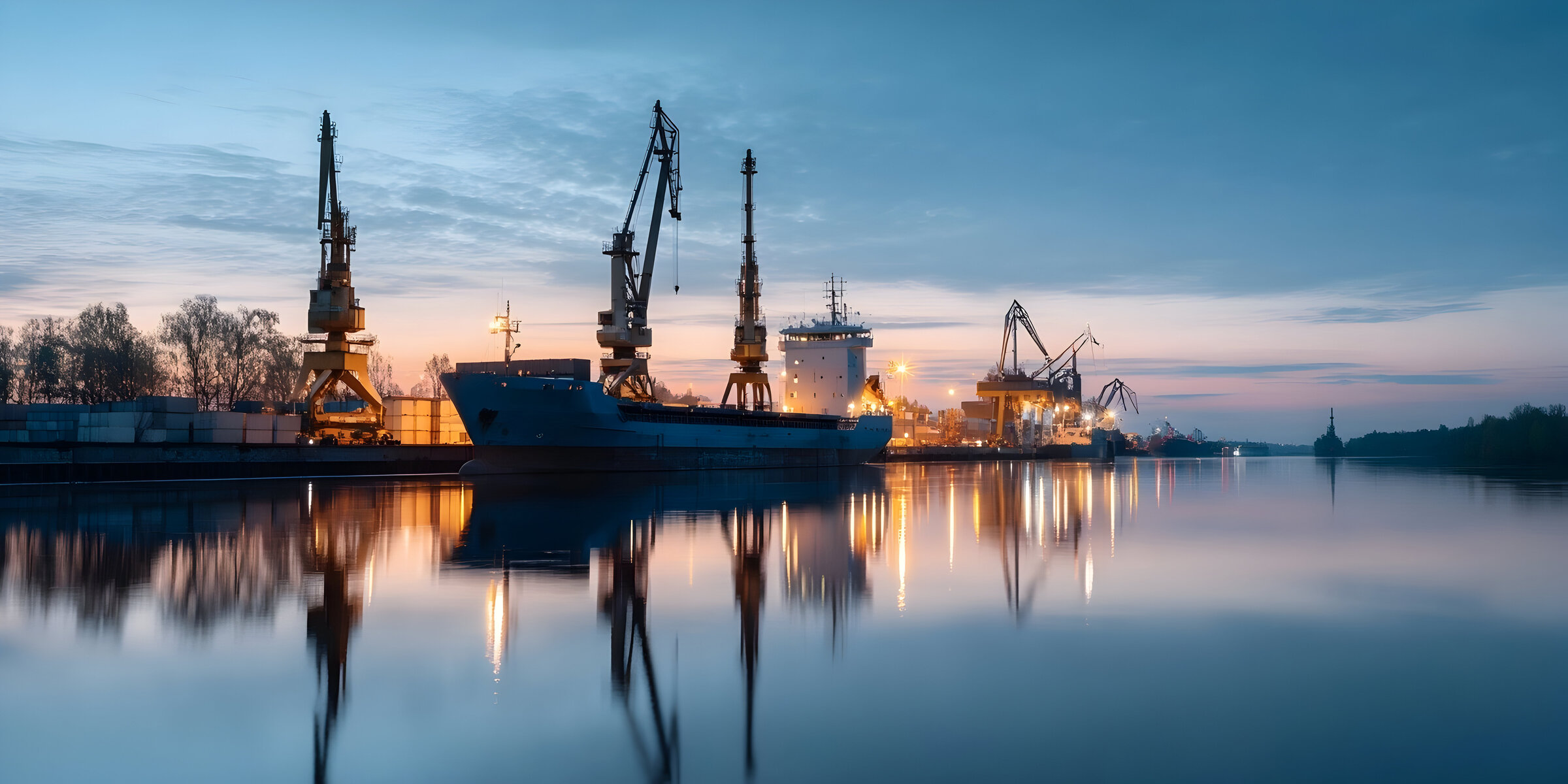
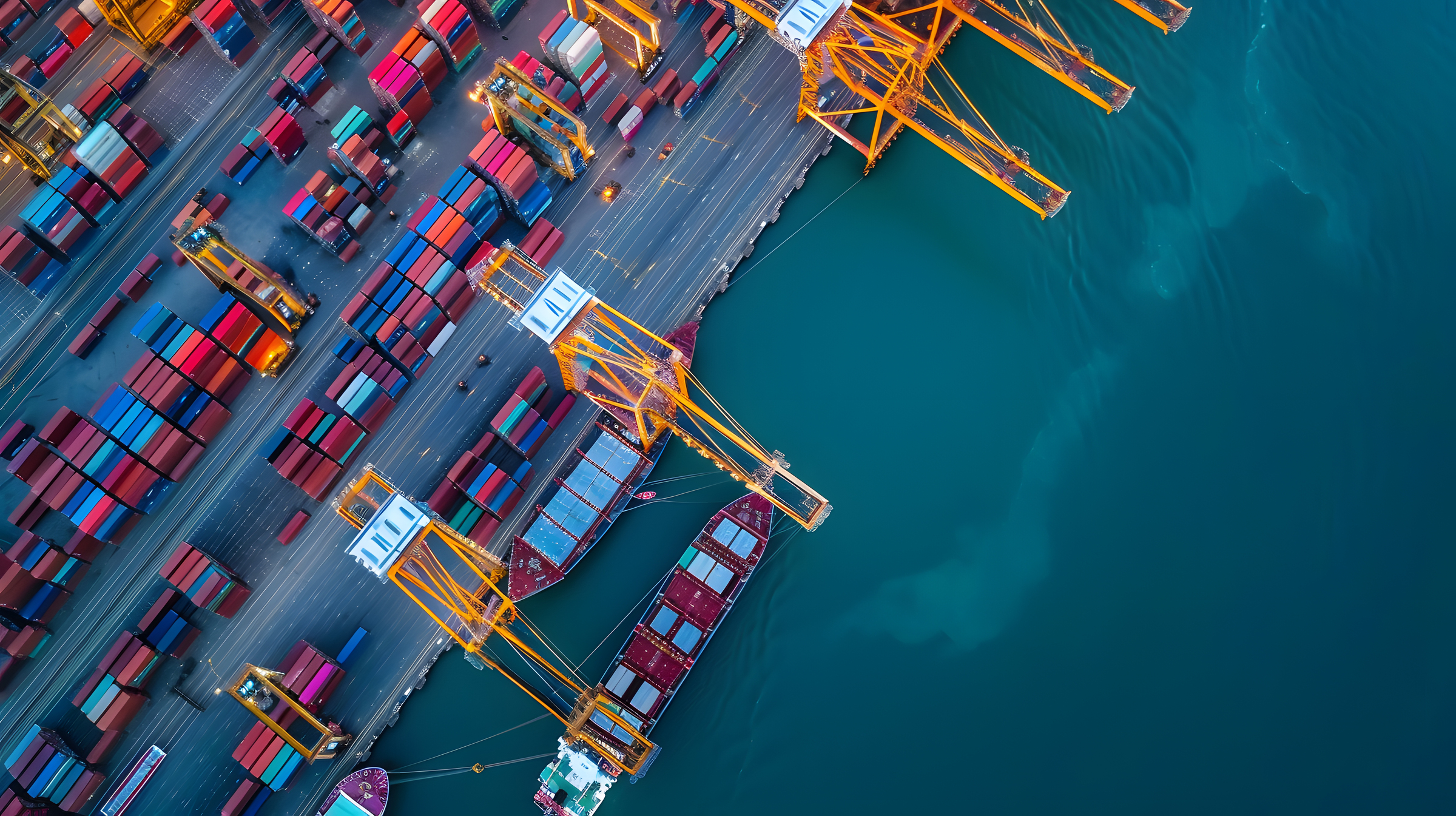
On June 25, South Carolina Ports notified employees it would idle the Hugh K. Leatherman Terminal starting August 1. The terminal handled just 75,455 containers in the first 11 months of this fiscal year, under 10% of its planned capacity, and the port is shifting that volume, mostly weekly Mediterranean Shipping Company calls, to its Wando Welch and North Charleston terminals instead.
Around the same time, Journal of Commerce contributor Paul Tonsager published an analysis arguing that the pending Union Pacific-Norfolk Southern merger could give Charleston something it has never had: a single-line rail incentive strong enough to pull Asia cargo away from the West Coast.
Put those two headlines side by side and they look like they're describing different ports. They're not. They're describing the same port on two different timelines, and shippers who collapse them into one story risk building 2027 routing decisions on a 2026 premise that isn't settled yet.
The JOC analysis frames Charleston's under performance largely through a rail lens: two Class I railroads reach the port, but splitting linehaul revenue and routing through congested inter changepoints like Chicago discourages carriers from building volume there compared to a single-line western gateway.
That's a real dynamic, but it's not what South Carolina Ports itself cited. The port's own statement pointed to softer container volumes, an uncertain trade outlook for the second half of 2026, and the need to cut costs, not rail interline economics. Total Charleston volume is down roughly 5% from projections this fiscal year, tracking a broader Southeast and Atlantic coast slowdown: Savannah's boxship business was down 2.5% through April, and Virginia's waterfront traffic fell 8% last year. Leatherman also carries a difficult operating history, including a labor dispute that kept it effectively idle for 21 months before it reopened in 2024, plus higher operating costs than Charleston's other two terminals.
None of that makes the rail argument wrong. It means the rail argument is a separate, longer-run thesis layered on top of a nearer-term, demand-driven decision, and conflating the two makes it easy to misread why Charleston's newest terminal is going dark right now.
The mechanics in the JOC piece hold up. Today, a container moving from Asia through Charleston to an inland point like Kansas City interlines between Norfolk Southern and a western connection, which means split linehaul revenue, an interchange penalty, and often a second invoice. Union Pacific cannot originate a Charleston box a tall under the current network map. Combine the two railroads, and that interchange disappears: one carrier controls the box from the ship's rail to the customer's ramp, and the gateway choice becomes a routing preference rather than a franchise-protection decision.
That's a legitimate structural argument for why a combined UP-NS could route more discretionary Asia cargo through Charleston instead of Los Angeles-Long Beach. It is not, however, something the merger's own STB application currently argues. The filing's port-competitiveness case is framed outward, toward US gateways competing against Canadian and Mexican ports, not inward, toward reallocating cargo that would otherwise land in Southern California. Shippers evaluating this thesis are relying on an analyst's extrapolation, not a claim the railroads have made in their own regulatory filing.
The gap between "announced" and "operational" here is unusually wide. UP and NS filed their original merger application in December 2025. The Surface Transportation Board rejected it as incomplete in January 2026. A revised application followed in April, and the STB accepted it for consideration on May28, but held the proceeding, including environmental review, in abeyance and ordered the railroads to submit supplemental information by July 27, 2026. Rival railroads and shipper groups have already flagged gaps in the application around competition, shipper access, and service assurance.
Even under a normal schedule, the STB has up to 12 months from acceptance to complete its evidentiary review, and that clock doesn't obviously account for abeyance periods. A combined, single-line UP-NS network, the entire premise of Charleston's rail-driven upside, is at minimum a 2027 proposition, and it isn't guaranteed at all. Regulators could approve it with conditions, such as mandated line sales or trackage rights, that specifically undercut the single-line control the Charleston thesis depends on.
For shippers and BCOs weighing Southeast US gateway strategy, the practical takeaway is sequencing. Near-term, Charleston's physical capacity is contracting, not expanding: two terminals are absorbing three terminals' worth of vessel strings starting in August, with larger vessels that can't clear the Cooper River's Don Holt Bridge routed to Wando Welch specifically. That's the variable to plan around for Q3 and Q4 2026 volume.
The merger-driven routing shift, if it happens, sits on a separate and much longer clock, with real conditionality attached. Treating it as a reason to commit volume or renegotiate Southeast gateway allocation this year gets the timeline backwards.
Source:https://www.joc.com/article/ns-up-merger-could-give-charleston-needed-rail-boost-analyst-6248838