TL;DR:
The Northwest Seaport Alliance wants to operate parts of its terminals directly, not just lease them, after Seattle-Tacoma imports fell 20.6% year over year through April 2026. For anyone routing through the Pacific Northwest, the real story is whether speed to Chicago improves faster than service consistency erodes.
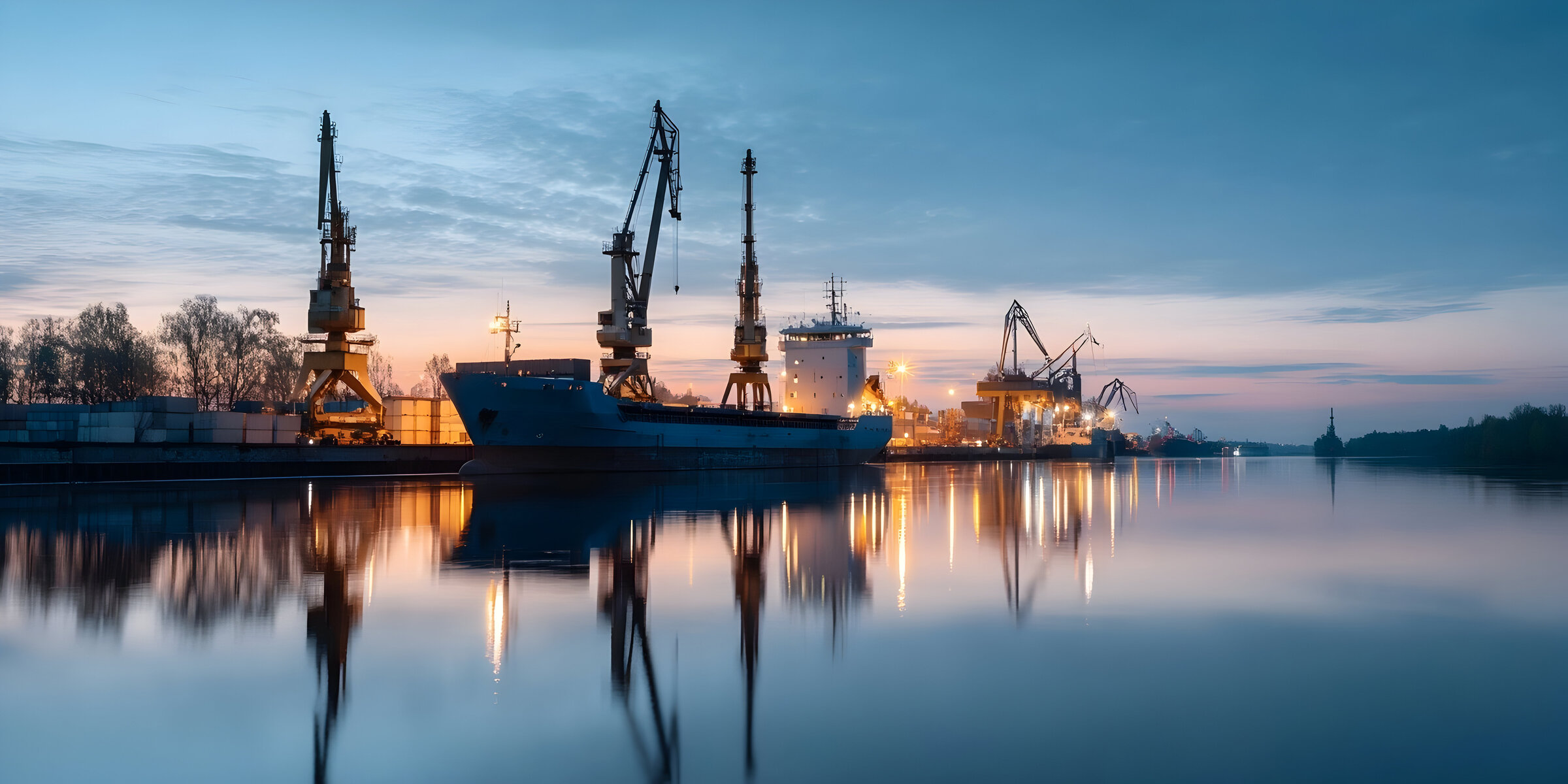
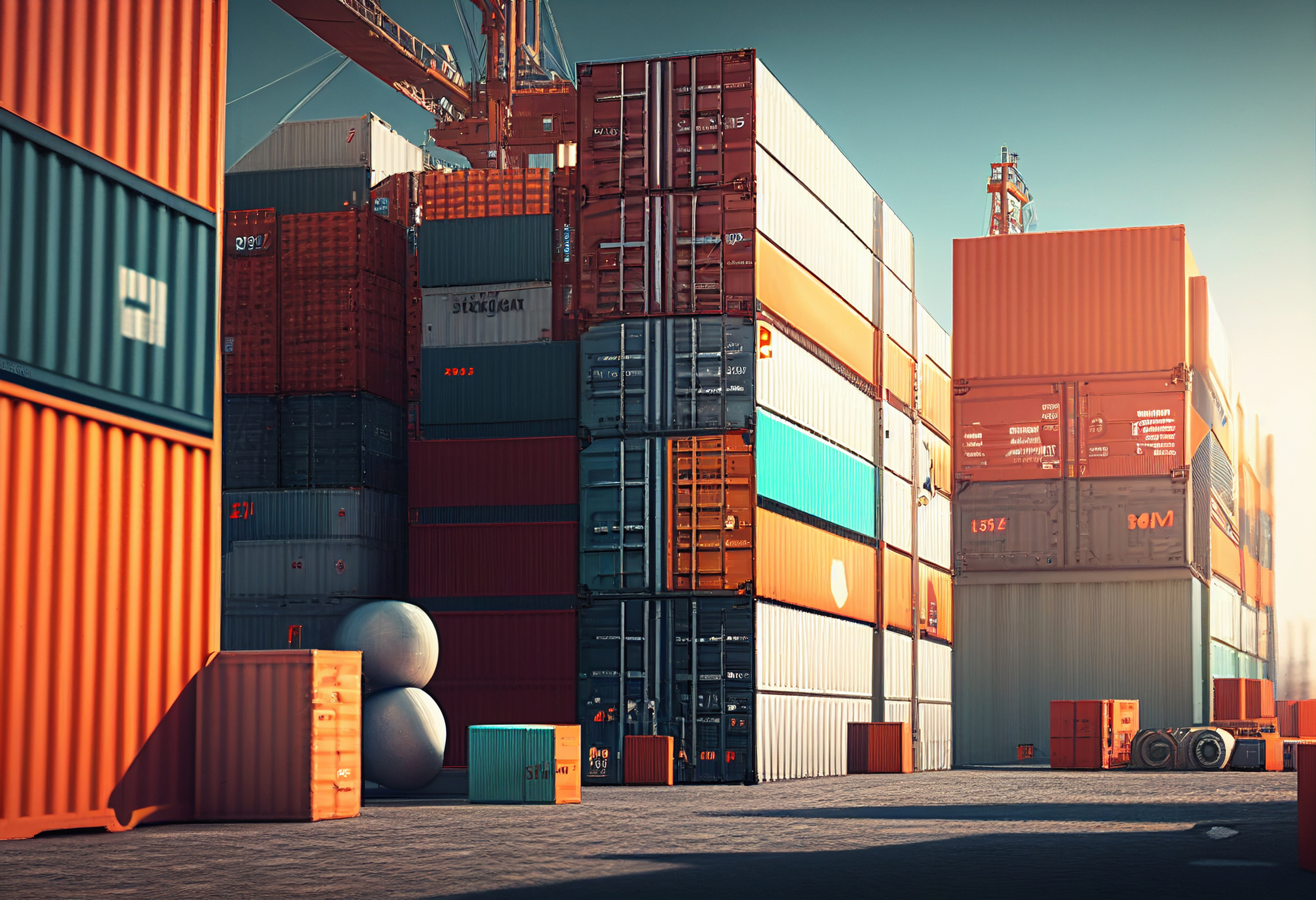
The Northwest Seaport Alliance (NWSA) runs two container terminals in Seattle and three in Tacoma. CEO John Wolfe told the Journal of Commerce the alliance wants to start operating parts of its terminals directly instead of only leasing them to private operators. He calls it a hybrid model: landlord at some berths, operator at others. The aim is consistency, one trucker appointment standard, common earliest return dates, and a faster handoff from ship to on-dock rail. That is roughly the first fifth of this story. The rest is what it means for anyone moving boxes through the Pacific Northwest.
NWSA imports fell 20.6% year over year through April. For comparison, Los Angeles slipped 0.8%, Long Beach 5.3%, and Oakland5.2%. Just over the border, Vancouver grew 9% in the first quarter and Prince Rupert grew 7.8%. So this is not a soft-market story that hits every gateway equally. Seattle-Tacoma is losing share to its neighbors, and restructuring the operating model is the response.
If you route through the PNW because of its shorter sailing time from North Asia, that gap is your problem too. The port's pitch has always been speed to Chicago. When volume drops this fast, the economics that keep terminals fully staffed and gates open start to wobble.
This is where the headline misleads. A port can't flip from landlord to operator the way you change a setting. AECOM's Mark Sisson named the obstacle: the plan needs buy-in from all five terminals, and private operators who have run their own yards and gates for years are unlikely to hand that over without a fight.
The gate-hours story makes the friction real. SSA Marine, which runs Seattle's two terminals, began closing one on Mondays and the other on Fridays in April, and that arrangement was still in place into June. The port has told SSA that part-week gates send the wrong signal to importers and truckers. Tioga Group's Dan Smith was blunt about the fix: SSA cut a shift at each terminal because volume is down, and it won't reopen those gates until new trans-Pacific string sand real volume return. That's a chicken-and-egg problem. Shippers want consistent service before they commit cargo; the port needs cargo before it can fund consistent service.
Three operational pain points sit underneath the announcement:
Smith named the part no operating model fixes: Asia sourcing is drifting from China and North Asia toward Southeast Asia and the Indian subcontinent. That shift favors ports positioned for those lanes and quietly erodes the PNW's geographic advantage, which was built on the short hop from North Asia. A hybrid model can sharpen execution. It cannot move Seattle closer to Vietnam.
Not "panic and reroute." Watch and pressure-test:
A port reinventing how it operates is a signal worth reading. The teams that win are the ones already measuring their own gateway, not waiting for the gateway to measure up.
Source:https://www.joc.com/article/seattle-tacoma-evolving-toward-hybrid-landlord-operating-port-model-6229154