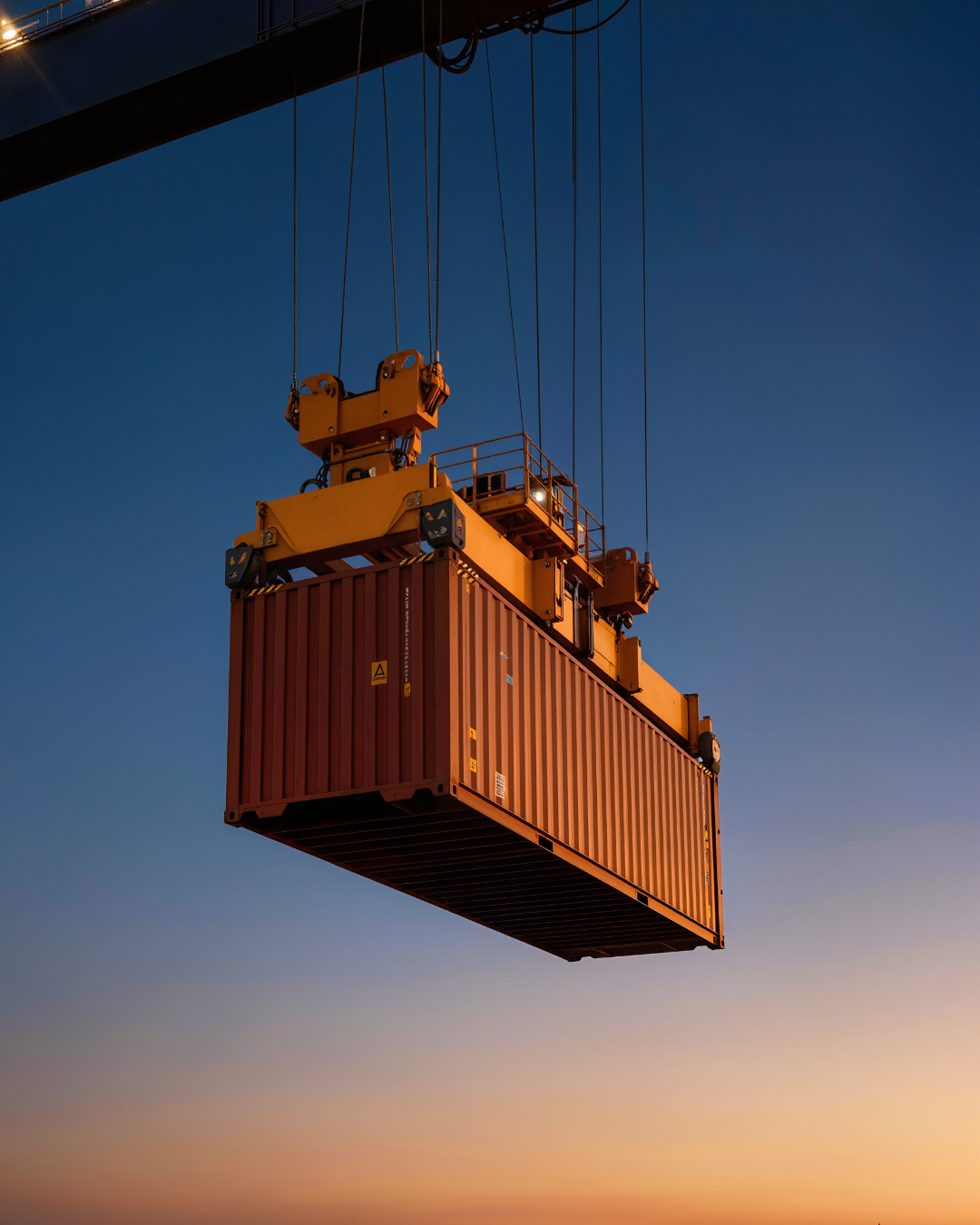
In October, a 2,824-TEU feeder ship sank after catching fire, andits containers were seen floating in the sea. For every company witha box on board, the question is now a practical one: who pays for thecargo?
Most shippers assume the shipping line does. Under theinternational rules that govern most sea freight, the carrier isexcused for fire unless it was itself at fault, for its crew'snavigation errors, for weather it could not reasonably guard against,and for acts of war. Where it is liable, it pays by the package, notby the invoice value. In most losses, the money comes from the cargoowner's own marine cargo insurance, and only if the right cover wasin place and the right steps were taken after the loss.
• Marine cargo insurance comes in three standard levels.Institute Cargo Clauses A cover everything not specifically excluded;Clauses B and C cover only the events they list. A container washedoverboard is covered under A and B but not under C.
• Under CIF terms the seller only has to buy Clause C cover.Under CIP, since Incoterms 2020, it must be Clause A. Both require atleast 110% of the contract value.
• War and strikes are excluded from all three clauses andbought separately. Insurers can typically cancel war cover on sevendays' notice.
• A carrier's liability is capped at 666.67 Special DrawingRights per package (about US$900) per package or 2 SDR per kilo,whichever is higher, and the package count comes from your bill oflading.
• Damage must be noted in writing at delivery, or withinthree days if hidden, and legal action against a sea carrier muststart within one year.
Most marine cargo insurance is written on the Institute CargoClauses, last revised in 2009. Clause A is all-risks cover: it paysfor any loss the policy does not specifically exclude. Clauses B andC cover only the events they list, and Clause C is the minimum.
No level covers goods packed too weakly for the journey, goodsthat spoil by themselves, ordinary leakage or delay. Air shipmentsuse a separate set, the Institute Cargo Clauses (Air).
Under Incoterms 2020, a CIF seller must insure the goods for thebuyer at Clause C, the minimum. A CIP seller must provide Clause A.Both require cover of at least 110% of the contract value. If you buyon CIF, ask the seller for Clause A in writing, or top up the coveryourself.
War and strikes are excluded from all three clauses and boughtseparately. War cover generally applies only while the goods are onthe water, and insurers can typically cancel it on seven days'notice. Cargo already in transit stays covered, so the cover in placeon loading day is the cover that counts.
Under the Hague-Visby Rules, which govern most international seafreight outside the US, the carrier must make the ship seaworthy andproperly stow and care for the cargo. It is excused for perils of thesea, fire unless caused by its own fault, its crew's navigationerrors and acts of war. Those exceptions fall away if an unseaworthyship caused the loss.
Where the carrier is liable, it pays at most 666.67Special Drawing Rights per package or 2 per kilo of gross weight,whichever is higher. Under US law the cap is $500 per package. Thepackage count comes from your bill of lading. A bill that reads "1x 40ft container" gives you one package. One that lists the 800cartons inside gives you 800.
The last column is general average. When a ship is saved by adeliberate sacrifice or by paid salvage, every cargo owner shares thecost, including those whose goods were never touched. After theMaersk Honam fire in 2018, cargo owners were asked for security of42.5% of cargo value for salvage plus 11.5% for general average: 54%in total. Cargo is held until that security is posted. An insurerprovides a guarantee for insured cargo. Uninsured owners pay a cashdeposit, and the final adjustment can take years.
Most claims are weakened at the warehouse door, before anyonecalls the insurer. The deadlines are short.
Under the sea rules, taking the goods without writtennotice counts as evidence that they arrived as described on the billof lading. The claim survives, but it becomes much harder to prove.
At delivery, count and inspect before you sign, and compare theseal number with the bill of lading. Write damage on the receiptspecifically: "6 cartons crushed, 2 wet" works where"damaged" does not. Take photos or videos as you inspect,of the container, the seal and the damage, before anything is movedor unpacked. They are your evidence.
Keep damaged goods and packaging until the surveyor has seen them,and invite the carrier to the survey. Move wet cartons indoors: yourpolicy requires reasonable steps to limit the loss, and the insurerrepays reasonable costs of taking them.
The insurer will ask for the policy or certificate, commercialinvoice and packing list, bill of lading or air waybill, the deliveryreceipt with your notes, your photos and videos, the survey report,and your written notice to the carrier.
Do not settle with the carrier on your own. Your insurer pays youand then pursues the carrier, and Clause 16 of the Institute CargoClauses requires you to preserve those rights. If talks with thecarrier drag on, get a written extension of the one-year deadlinebefore it passes.
1. Check your limit per ship and per port. Cargopolicies typically limit what they pay for values in any onelocation. If one ship or port could hold more of your cargo than thatlimit, split high-value goods across sailings.
2. Confirm the actual vessel. Carriers share spaceon each other's ships and can move your box to the next availableone. Standard cover usually applies only to classed ships under a setage, up to 30 years for container ships on a regular route. Cargo onan older ship must be notified to the insurer, and an extra premiumapplies. Ask your forwarder for the vessel name before loading.
3. Know what happens if the route changes. A typicalbill of lading lets the carrier unload your goods at another port,treat that as delivery, and charge you for onward transport. Agree inyour sales contract who pays if this happens.
4. Tell your insurer the same day. The standardclauses repay reasonable forwarding costs when an insured risk endsthe voyage early, though not when war or strikes caused thediversion. Without prompt notice, cover can end.
1. Know your clause. Ask whether your cover is Clause A, B orC. Under C, a container washed overboard is not covered.
2. Check what CIF gives you. The seller only has to buy ClauseC. Ask for Clause A, or top up the cover yourself.
3. Count packages on the bill of lading. List the cartonsinside the container, because the carrier's limit is calculated perpackage.
4. Never sign a clean receipt for damaged goods. Photograph orfilm the damage and note it at delivery, report hidden damage withinthree days, and keep everything for the surveyor.
5. Tell your insurer first. Before settling with a carrier,and on the day a route changes.
What does marine cargo insurance cover? Marine cargo insurancecovers physical loss of or damage to goods in transit, at the levelset by the policy. Most policies use the Institute Cargo Clauses:Clause A covers all risks except listed exclusions, while Clauses Band C cover only named events such as fire, sinking and collision.War and strikes are excluded from all three and must be addedseparately.
What is the difference between Institute Cargo Clauses A, B and C?Clause A is all-risks cover and includes theft and malicious damage.Clause B covers named events, including cargo washed overboard andsea water entering the container. Clause C is the minimum, coveringmajor casualties such as fire, sinking, grounding and collision.Under Incoterms 2020, a CIF seller only has to provide Clause C.
Is the shipping line responsible if my container is lost at sea?Often not. Under the Hague-Visby Rules, the carrier is excused forperils of the sea, fire unless caused by its own fault, its crew'snavigation errors and acts of war. Where it is liable, for examplefor poor stowage, its liability is capped at 666.67 SDR per packageor 2 SDR per kilo, whichever is higher, or $500 per package under USlaw.
What is general average and do I have to pay it? General averageis the rule that every cargo owner shares the cost of saving a shipin danger, even if their own goods are undamaged. Cargo can be helduntil security is posted. Insured cargo is released against aguarantee from the insurer, while uninsured cargo owners must pay acash deposit, which reached 54% of cargo value after the Maersk Honamfire in 2018.
How long do I have to make a cargo claim? For sea freight underthe Hague-Visby Rules, visible damage should be noted in writing atdelivery and hidden damage reported within three days, and legalaction must start within one year. For air freight under the MontrealConvention, damage must be reported within 14 days and delay within21 days, with two years to take legal action.
When a ship is lost or damaged, the shipping line usually payslittle or nothing for the cargo. The rules excuse most of what goeswrong at sea and cap the rest by the package. What protects a cargoowner is the cover bought before loading and the steps taken in thefirst days after delivery: the right clause, war and strikes coverwhere needed, a bill of lading that counts the cartons, and adelivery receipt that records the damage.
Review your cover before your next shipment, not after a loss. Ifyou would like a second pair of eyes on how your cargo is insured ona specific lane, talk to the Worldtop & Meta team.