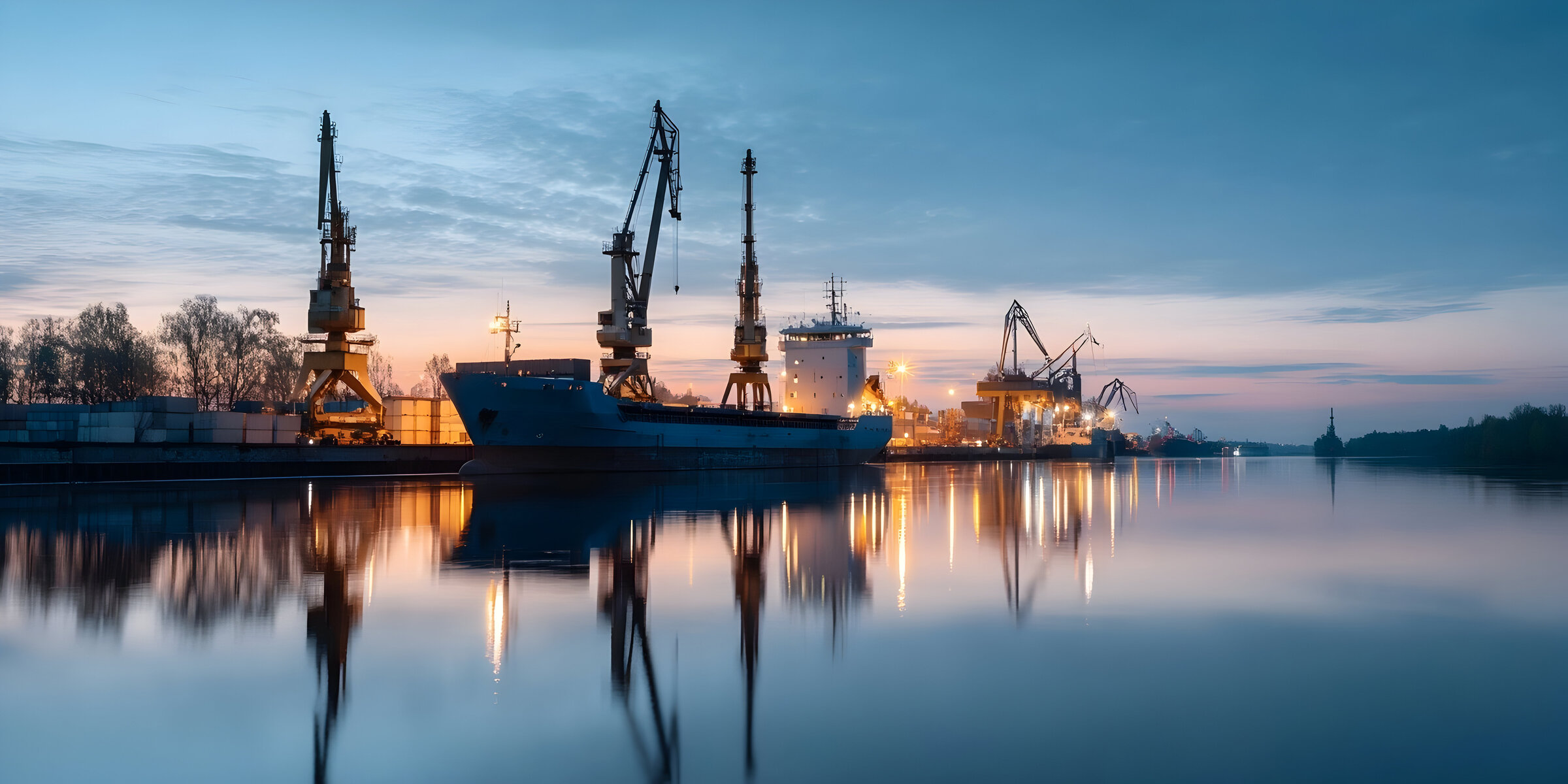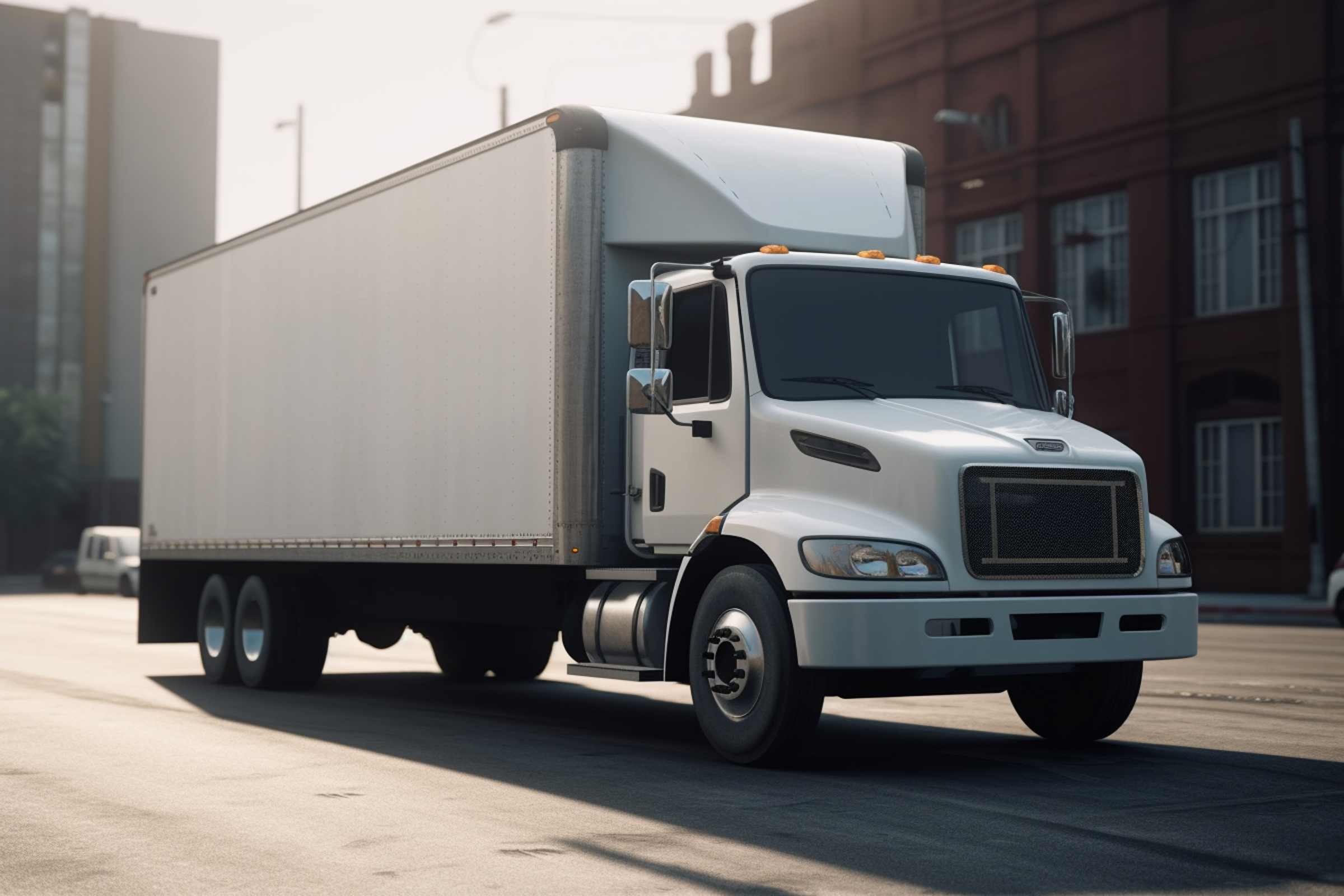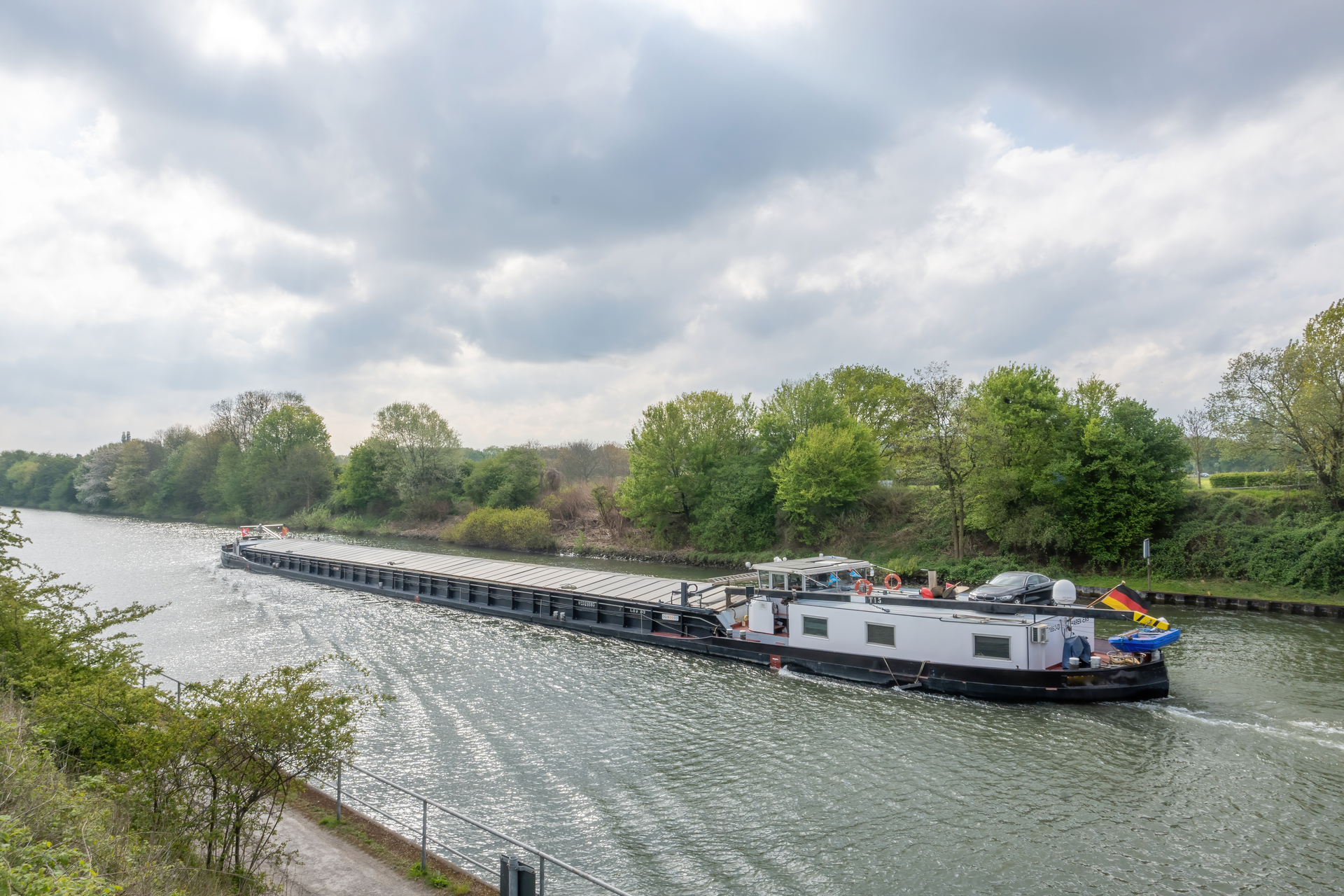
Surging infrastructure investment is driving project and breakbulk cargo inland. From Europe to the Americas and Asia, waterways arere-emerging as a cost-efficient, lower-carbon solution to road congestion, oversized cargo limits, and supply chain bottlenecks.
Global demand for large-scale infrastructure—data centers, power generation facilities, mining operations, and industrial plants—is accelerating. With it comes a sharp increase in oversized and heavy project cargo that traditional road transport struggles to accommodate.
As motorway congestion worsens and regulatory constraints tighten, inland waterways are increasingly being repositioned as a strategic logistics alternative rather than a legacy mode. Industry experts point to inland shipping as a solution that balances capacity, sustainability, and operational reliability.
Project cargo often exceeds road limits for weight and dimensions, requiring complex permitting and route planning. Inland waterways bypass many of these constraints, enabling larger loads to move infewer shipments with lower disruption.
Waterborne transport consumes less energy per ton-kilometer than road freight, produces fewer emissions, and carries a lower accident risk. Despite these benefits, inland solutions are still underutilized in many project supply chains due to legacy planning assumptions.
The Rhine River continues to play a central role in moving machinery, mining equipment, and transport vehicles across Europe. As road congestion intensifies and equipment grows more specialized, inland shipping is expected to absorb a greater share of oversized cargo flows.
France’s Seine–Nord Europe Canal, the country’s first major waterway project in decades, will link the Paris region directly tothe Rhine basin. Once completed, it will allow “super barges” to replace hundreds of trucks per movement—significantly reshaping breakbulk logistics across Western Europe.
Mining activity across Brazil, Argentina, and neighboring countries is driving renewed investment in inland transport corridors. The Paraguay–Paraná Waterway—often compared to the Mississippi River—now supports long-distance bulk and project cargo flows linking inland production zones to global export markets.
Heavy-lift operations transporting entire barge fleets are enabling higher throughput of iron ore, manganese, lithium, and othercritical minerals, while simultaneously supporting regional industrial development and employment.
The US has added hundreds of miles to its Marine Highway system,strengthening inland connectivity for industrial cargo, infrastructure projects, and workforce development.
New inland logistics hubs—such as those connected to the Columbia–Snake River system—are designed to ease truck congestion near major coastal gateways while improving end-to-end supply chain efficiency.
China’s Pinglu Canal, one of the world’s largest canal projects, reflects a strategic push to integrate inland waterways directly with global trade lanes. By 2035, China aims to build a vast inland shipping network designed to lower carbon intensity while supporting industrial growth far from coastal regions.
Inland barges are increasingly viewed as prime candidates for electrification, with lower technical barriers than road transport. Autonomous and AI-assisted navigation systems are already being tested in parts of Europe, signaling further cost reductions and operational scalability.
Beyond emissions and efficiency, inland transport reduces noise pollution and removes oversized cargo from public roads—making itone of the least disruptive modes of industrial logistics.
For shippers moving project cargo, inland waterways are no longera niche option. They are becoming a strategic lever for cost control, sustainability compliance, and risk mitigation—especially as infrastructure investment accelerates worldwide.
At Worldtop & Meta, we see inland connectivity as a critical component of resilient, multimodal logistics strategies that balance performance, compliance, and long-term competitiveness.
Source:https://www.joc.com/article/shippers-look-inland-to-move-swelling-project-cargo-demand-6165631