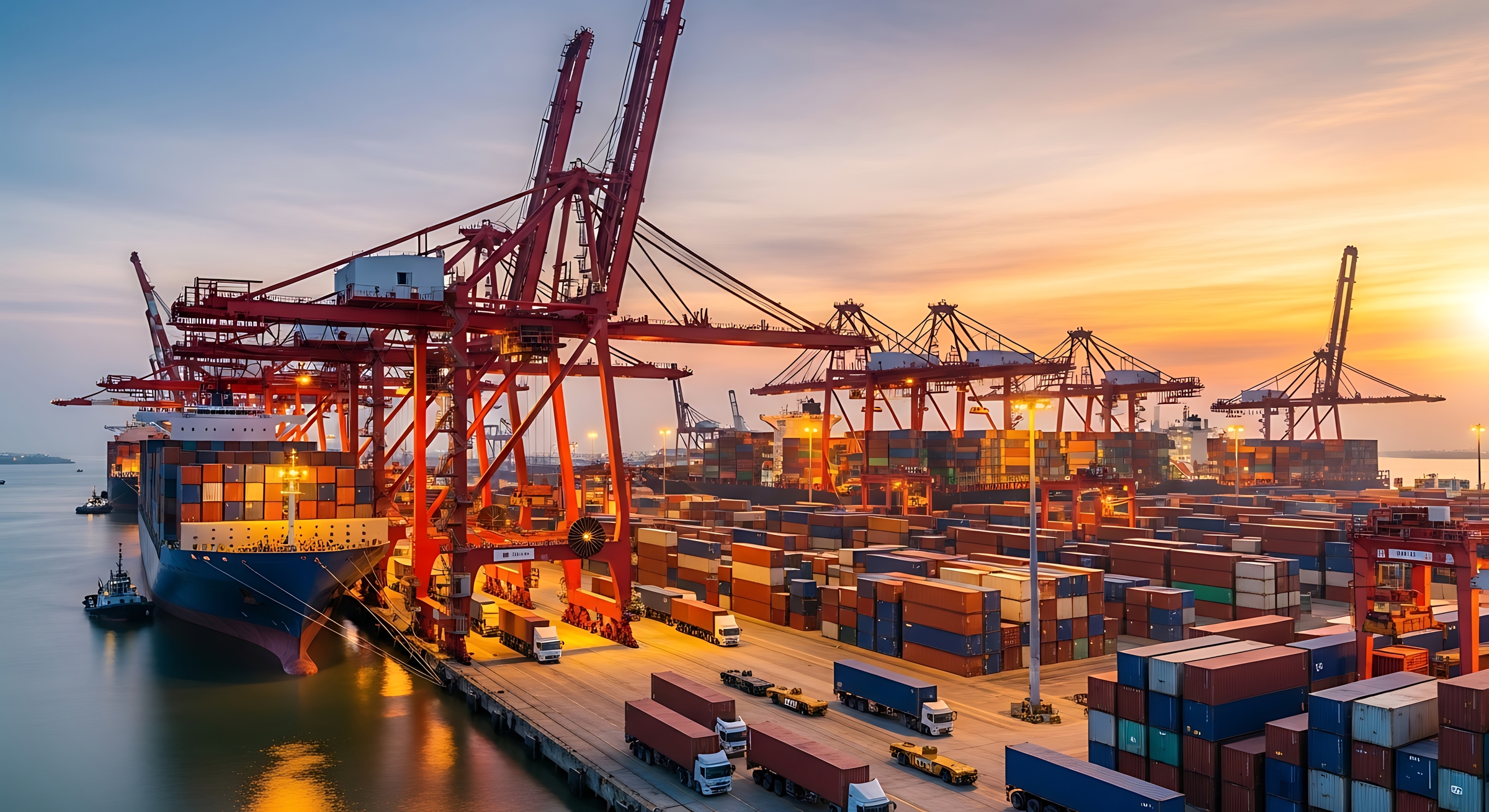
Asia–Europe container carriers are deploying record vesselcapacity ahead of Lunar New Year 2026, reflecting strong seasonaldemand and precautionary frontloading. While January capacity is athistoric highs, February is expected to see a pullback, reinforcingthe need for proactive planning by European importers and globalshippers.
Ocean carriers are significantly expanding capacity on the Asia–North Europe trade lane as the annual pre–Lunar New Year shipping rush gathers pace. January 2026 is shaping up to be one of the most capacity-heavy months on record, with carriers blanking very few sailings despite historically volatile winter schedules.
According to market data, capacity deployment on this lane has reached an all-time high, underscoring carriers’ willingness to absorb short-term risk in exchange for capturing seasonal demand and stabilizing service reliability.
Analysts report that more than 1.15 million TEUs are being deployed on the Asia–North Europe trade in January, while blank sailings remove only a minimal share of that capacity. Weekly capacity now stands nearly 50% above pre-pandemic baselines, highlighting the structural shift toward higher nominal supply on long-haul east–west routes.
This surge reflects not only seasonal patterns but also strategic carrier behavior following two years of extended transit times and operational disruptions.
Beyond traditional Lunar New Year demand, evidence suggests that some shippers are actively frontloading cargo earlier than usual to mitigate risk.
With Chinese factories expected to shut down for up to three weeksduring the holiday period, European importers are acceleratingshipments to ensure inventory buffers remain intact. Analysts notethat flooding the network early helps offset uncertainty tied to portcongestion, weather delays, and longer sailing times.
This behavior signals a shift away from strict just-in-time modelstoward more resilient, risk-adjusted supply chain planning.
Not all market participants view January volumes as exceptional.Several carriers and forwarders report that demand is largelytracking historical seasonal norms, albeit stretched over a longerpeak window.
Forwarders observe that extended Asia–Europe transit times over the past two years have forced shippers to start peak-season shipping earlier and maintain it longer. As a result, peak demand is no longer confined to a narrow pre-holiday window but increasingly spreads across December and January.
Bookings are expected to soften toward the end of January as factory shutdowns begin, reinforcing the cyclical nature of the trade despite elevated headline capacity.
Strong pre–Lunar New Year demand has already translated into sharply higher spot rates on the Asia–North Europe lane.
Current market indexes show rates more than doubling since early October, reflecting the combined impact of seasonal demand, capacity concentration, and ongoing network inefficiencies. At the same time, Asia–Europe container volumes have continued to grow year-on-year, supported in part by cargo diversions from the U.S. market into Europe amid shifting tariff dynamics.
For European importers and Asia-based exporters alike, the currentsurge highlights several structural realities shaping ocean freightin 2026:
At Worldtop & Meta, these developments reinforce the importance of early booking strategies, flexible routing options, and real-time market visibility to navigate peak-season volatility without compromising service continuity.