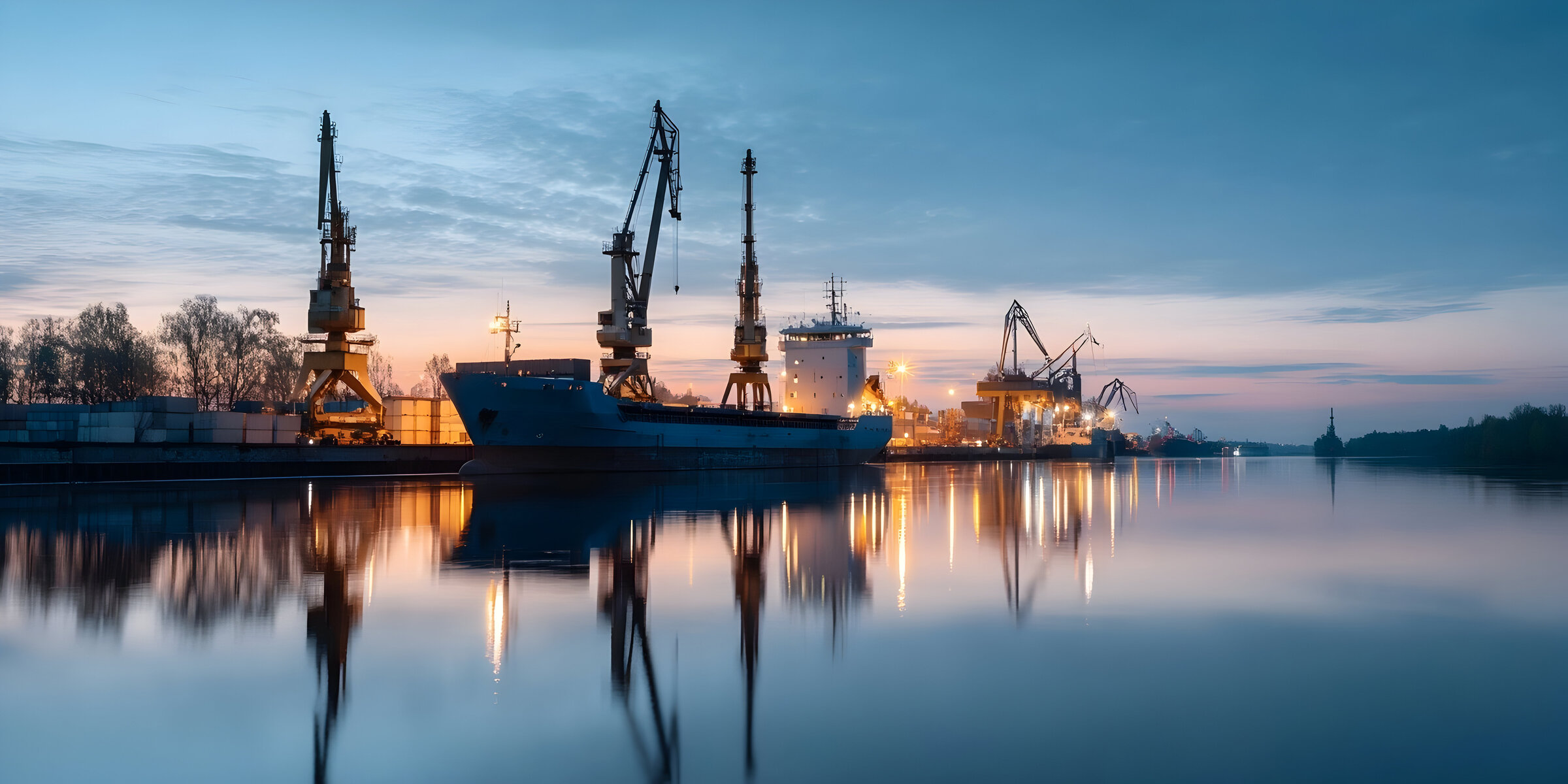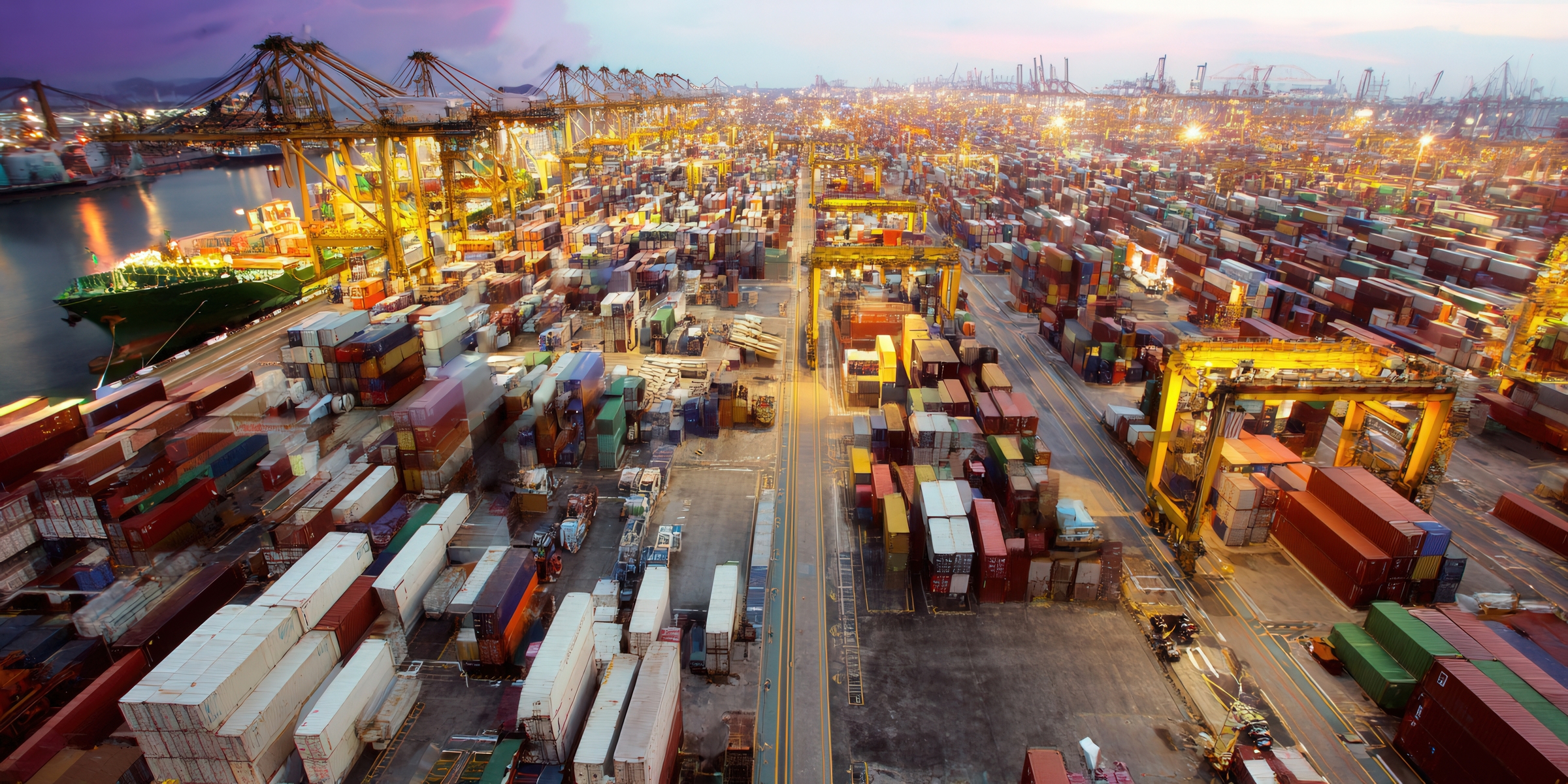
US East and Gulf Coast ports are accelerating intermodal rail connectivity and deep-water capacity upgrades to compete for inland discretionary cargo and prepare for larger container vessels, even as volumes remain volatile heading into 2026.
Ports along the US East and Gulf coasts experienced a sharply uneven 2025. Strong, tariff-driven import surges in the first half of the year gave way to volume pullbacks in the second, with some gateways posting double-digit declines.
Despite this volatility, port authorities are pressing ahead with long-planned infrastructure investments. With import demand expected to remain muted through at least late 2026, competition among coastal gateways for discretionary cargo—particularly freight bound for inland markets—is intensifying.
Operationally, the region has remained fluid. Average vessel port calls stayed within normal ranges throughout 2025, underscoring that capacity expansion is being pursued from a position of operational stability rather than congestion-driven urgency.
One of the clearest strategic shifts is the renewed emphasis on intermodal rail access. Ports are positioning themselves not just as coastal gateways, but as inland logistics hubs capable of serving major consumption and manufacturing centers efficiently.
In the Southeast, new near-dock and port-connected rail projects aim to strengthen links to fast-growing inland markets such as Atlanta, Memphis, Nashville, and Louisville. On the Mid-Atlantic side, long-awaited tunnel and clearance projects are unlocking double-stack rail service to Midwest distribution centers, including Chicago.
For shippers, these investments expand routing optionality and reduce dependence on a single coastal gateway—an increasingly valuable advantage in an era of demand uncertainty and carrier network rationalization.
Beyond rail, ports are also investing heavily in berth depth, channel widening, and terminal expansion to accommodate larger vessels traditionally deployed on Asia–Europe trades.
Several Gulf and East Coast ports are nearing completion of dredging projects that will allow routine handling of ultra-large container vessels. Terminal expansions, additional cranes, and widened channels are enabling simultaneous handling of multiple large ships while improving berth productivity.
These upgrades reflect an expectation that ocean carriers will increasingly redeploy larger tonnage onto Asia–US East Coast services as network strategies evolve and Panama Canal reliability improves.
As volumes remain soft, infrastructure differentiation—not sheer scale—will increasingly define port competitiveness. Shippers canexpect:
For logistics providers, the challenge will be translating this expanding optionality into resilient, cost-effective supply chain designs—particularly for cargo owners balancing inventory risk with transportation cost control.
The next phase of US port competition will not be driven by emergency congestion response, but by proactive positioning. Portsthat combine deep-water access with seamless intermodal connectivity will be best placed to capture discretionary cargo as trade patterns normalize.
For global shippers and forwarders, understanding these evolving port capabilities will be critical to optimizing network design across trans-Pacific and trans-Atlantic lanes in 2026 and beyond.
Source:https://www.joc.com/article/us-east-gulf-coports-expanding-intermodal-access-vessel-capacity-6143160